
The Recovery of Public Trust
Deception PointThis flow follows the competing attempts to gain public confidence, the collapse of credibility after the hoax, and the different choices leaders make when forced to correct the record.
increasing Bearing strength in each event
 decreasing
Bearing strength in each eventdecreasingA Campaign Promises Repair

A Campaign Promises Repair
A memorable promise
Sexton’s campaign presents government spending as a problem that can be solved through cuts and efficiency. His slogan offers voters an uncomplicated promise of repair.
NASA becomes the most visible target because its failures are easy to communicate and its budget is large.
Trust through contrast
The campaign suggests that Sexton’s willingness to criticize NASA proves his honesty. Yet his private donor arrangements contradict the public message of fiscal responsibility.
The story raises the question of whether a candidate’s anti-waste rhetoric can be trusted when his own campaign finances are hidden.
Herney’s Delayed News
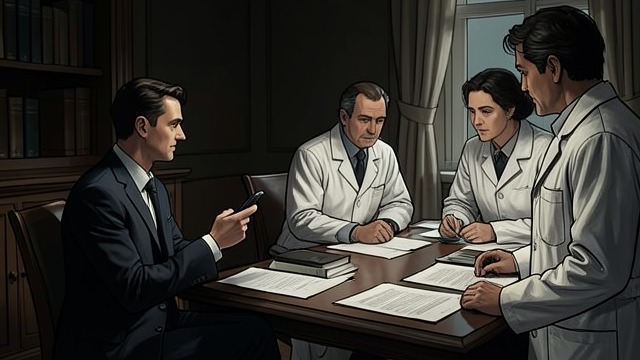
Herney’s Delayed News
Silence meant as protection
Herney keeps the discovery secret while civilian scientists verify the evidence. He believes delay will protect NASA from accusations of announcing a politically convenient success without confirmation.
The secrecy also isolates his staff and fuels their suspicion that the President has lost control of his campaign.
A gamble on credibility
Herney hopes that independent endorsements and a carefully staged announcement will make the discovery impossible to dismiss. His plan rests on a false premise he does not know is false.
The attempt to protect public trust through secrecy instead makes the eventual revelation more damaging.
A Public Triumph
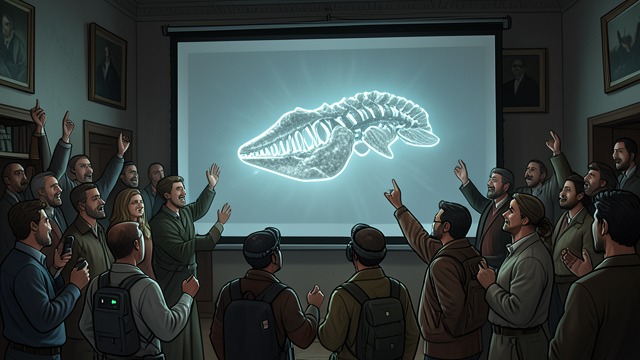
A Public Triumph
Confidence restored briefly
The fossil announcement gives NASA the triumph its staff has long wanted. Citizens and commentators celebrate the possibility of life beyond Earth, and Herney appears to regain political momentum.
The celebration feels deserved to NASA employees who have endured repeated setbacks, making the announcement emotionally powerful for those inside the agency as well as the public.
Trust built on a deception
The broadcast’s confidence is not matched by the integrity of the discovery’s context. The public receives certainty where the evidence should have invited continued scrutiny.
The initial restoration of trust therefore contains the conditions of its own collapse.
The Cost of Concealment
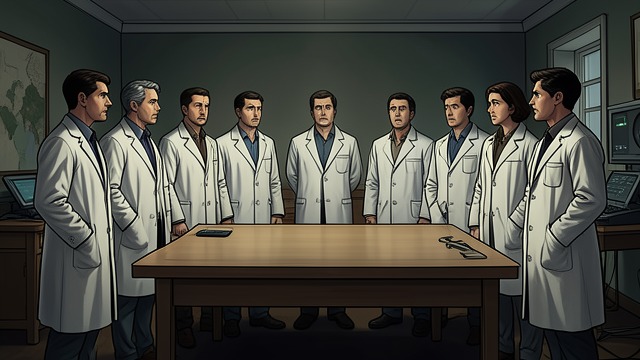
The Cost of Concealment
Contradictions accumulate
Rachel’s evidence, the scientists’ tests, Harper’s account, and Pickering’s confession reveal that the public story combined several separate lies. Each attempt to contain one discrepancy creates another.
The resulting crisis damages the credibility of NASA, the White House, the intelligence community, and the scientific endorsements used in the broadcast.
Trust cannot be ordered
Tench’s pressure and Pickering’s secrecy show that leaders cannot force credibility simply by controlling a message. The more aggressively they suppress dissent, the more suspicious the public account becomes.
The effort to protect institutions ends by exposing how vulnerable trust is to manipulation.
The President’s Admission
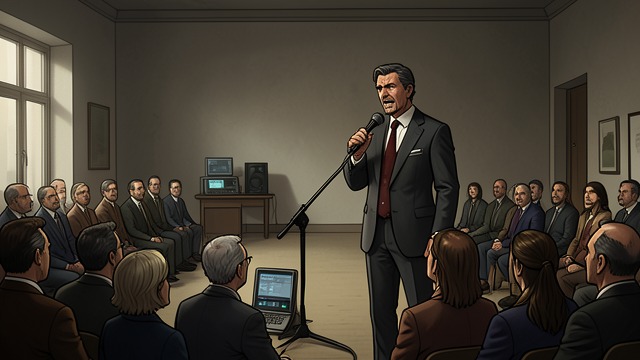
The President’s Admission
Responsibility made public
Herney goes before the public and acknowledges that the discovery was false. He does not pretend that the announcement was harmless or that the government can simply move on without explanation.
His decision gives the correction the same public scale as the original claim.
A limited restoration
The admission cannot undo the murders or restore confidence immediately. It offers a credible starting point because the President accepts that the public deserves a truthful account.
The closing contrast is between trust demanded through performance and trust that can be earned only through candor.
During the primary campaign
The week before the discovery announcement
Eight o’clock on announcement night
Overnight as the hoax is exposed
The final presidential broadcast
